

[Introduction] Many factories ignore a common hidden loss in daily operations. Although traditional packaging seems low-priced, it brings invisible problems such as high product damage, compliance failures and downgraded brand quality. Plastic packaging is facing stricter policy restrictions while easily causing dust accumulation and product scratches. Ordinary paper pouches are thin, easy to tear, prone to lint shedding and poor in durability. For this reason, numerous brands in home appliances, digital devices, apparel, hardware and hotel industries have gradually switched to fully plant-based plastic-free packaging solutions in recent years. Instead of following trends blindly, manufacturers adopt Ecopouch eco pouches to reduce costs, improve product quality and meet environmental compliance in one go.
1. Why Traditional Packaging Can No Longer Meet Factory Shipping Requirements
The disadvantages of plastic packaging go far beyond environmental issues. Plastic generates strong static electricity that attracts dust and impurities, leaving scratches and stains on precision products and garments. During stacking storage and long-distance transportation, plastic packaging is easily crushed and damaged, resulting in hidden costs including product returns, rework and after-sales compensation.
More importantly, brand factory audits, foreign trade orders and ESG green assessments now impose stricter inspections on plastic-containing packaging. Many manufacturers lose business opportunities simply because their packaging fails environmental standards.
Conventional paper pouches on the market also have obvious weaknesses. They feature thin texture, poor tear resistance and insufficient load-bearing capacity. They deform and break easily when damp, making them unable to adapt to high-intensity scenarios such as mass warehousing and long-distance logistics, and failing to support regular factory production.
2. Ecopouch Plant-Based Plastic-Free Pouches Solve All Traditional Packaging Defects
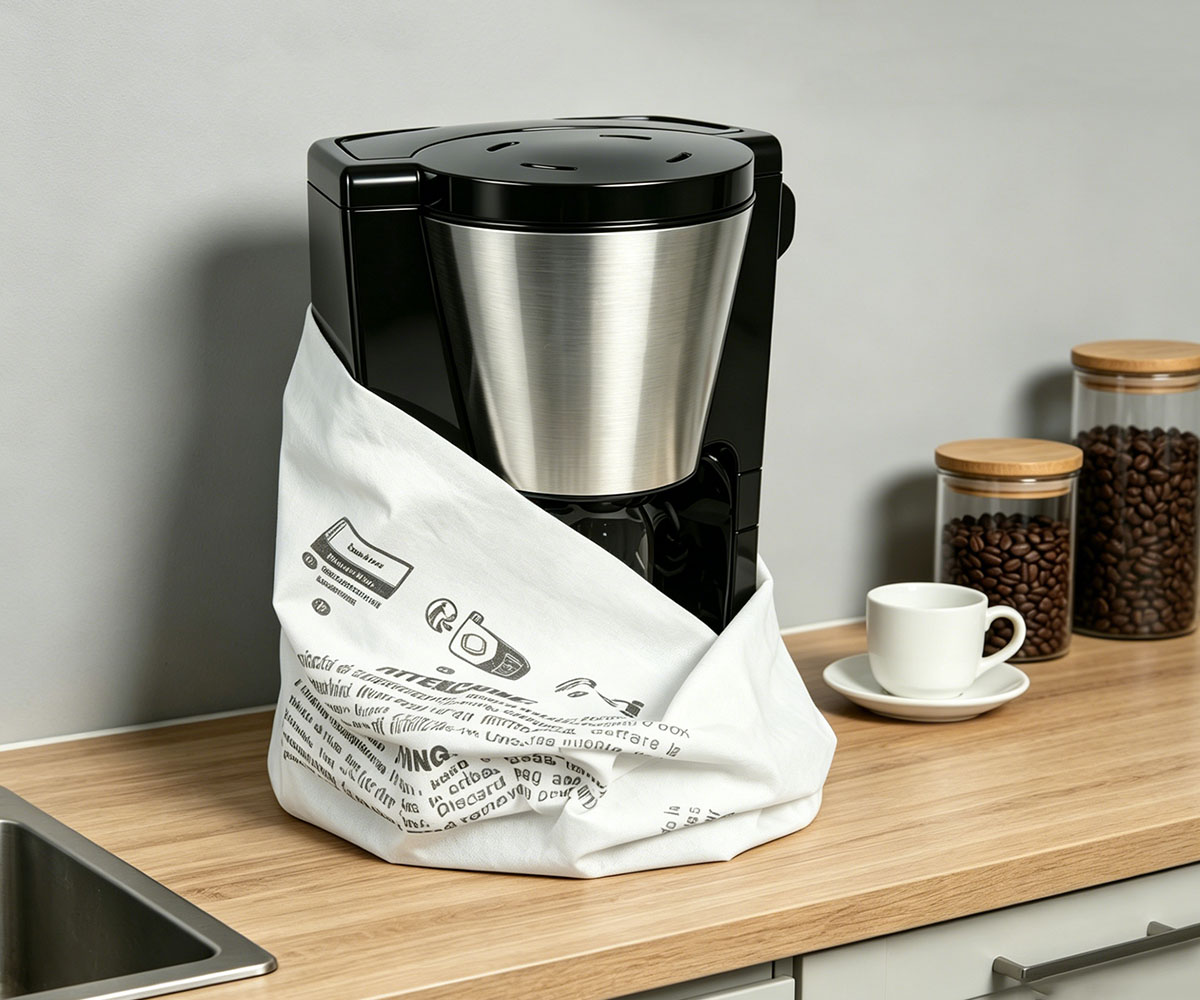
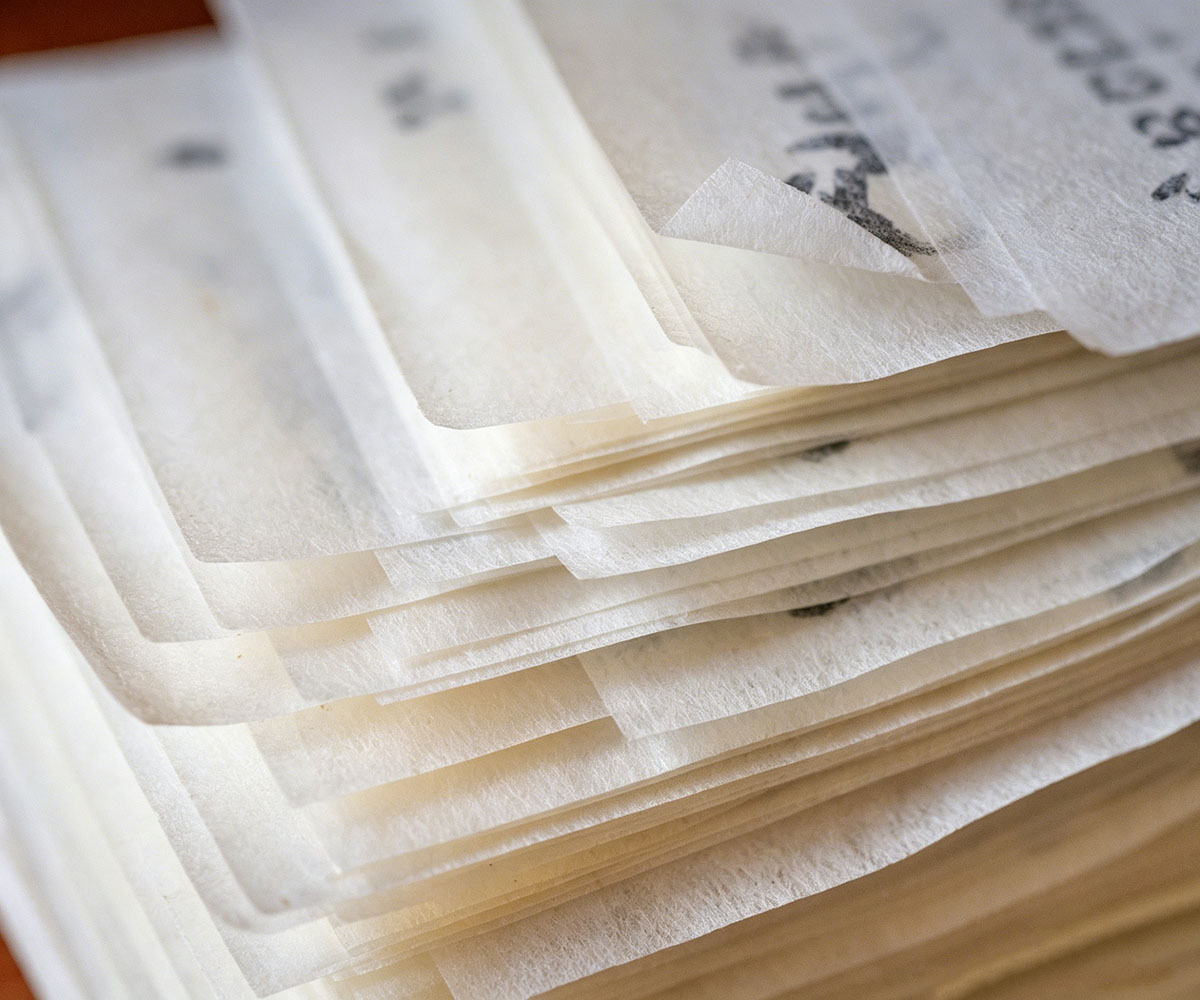
Industrial-grade eco-friendly packaging is never a simple replacement for plastic packaging — it is a comprehensive upgrade in materials and craftsmanship. All Ecopouch eco pouches are 100% plastic-free, crafted from natural bamboo fiber and premium virgin wood pulp. With no lamination, no coating and no harmful additives, these pouches are fully biodegradable and recyclable with zero pollution residue, delivering complete compliance with global green packaging standards.
Ecopouch plastic-free pouches deliver superior overall performance. The smooth, lint-free and static-free material avoids static adsorption and dust buildup, protecting precision parts and fabric products from scratches and stains. Featuring excellent tear resistance, tensile strength and load-bearing capacity, these pouches completely solve the fragility issues of traditional paper packaging.
With refined stitching and tight edge sealing, Ecopouch pouches resist cracking and deformation. They maintain high flatness and long-term stability, whether in multi-layer warehouse stacking or cross-border long-distance shipping, providing reliable all-round protection for goods.
3. Versatile Applications for Multiple Industries
Ecopouch plant-based plastic-free pouches are highly adaptable to diverse industrial packaging scenarios:
- 3C Products, Small Home Appliances & Photographic Equipment: Provide dust-free and anti-static precision protection.
- Apparel & Home Textiles: Maintain fabric breathability and original product shape.
- Hardware & Sanitary Ware: Offer strong load-bearing, tear-resistant and puncture-proof performance for heavy-duty products.
- Hotel Supplies & Product Manuals: Achieve neat storage and enhance brand detail texture.
Conclusion
Eco-friendly packaging is not an extra business cost for factories. It is a core necessity to reduce product loss, pass environmental audits and upgrade brand image. If your factory is still troubled by packaging damage, static dust pollution and non-compliant packaging issues, high-quality Ecopouch all-plant plastic-free pouches are the optimal solution that balances cost performance, practicality and global compliance.